How is a website built
Websites are made of a set of code or programming languages. The most common languages used to build websites are: Hypertext Markup Language (HTML) helps browsers display webpage elements such as text, links and media. Cascading Style Sheets (CSS) define webpage styles such as colors, layouts and fonts.

What is Digital Marketing
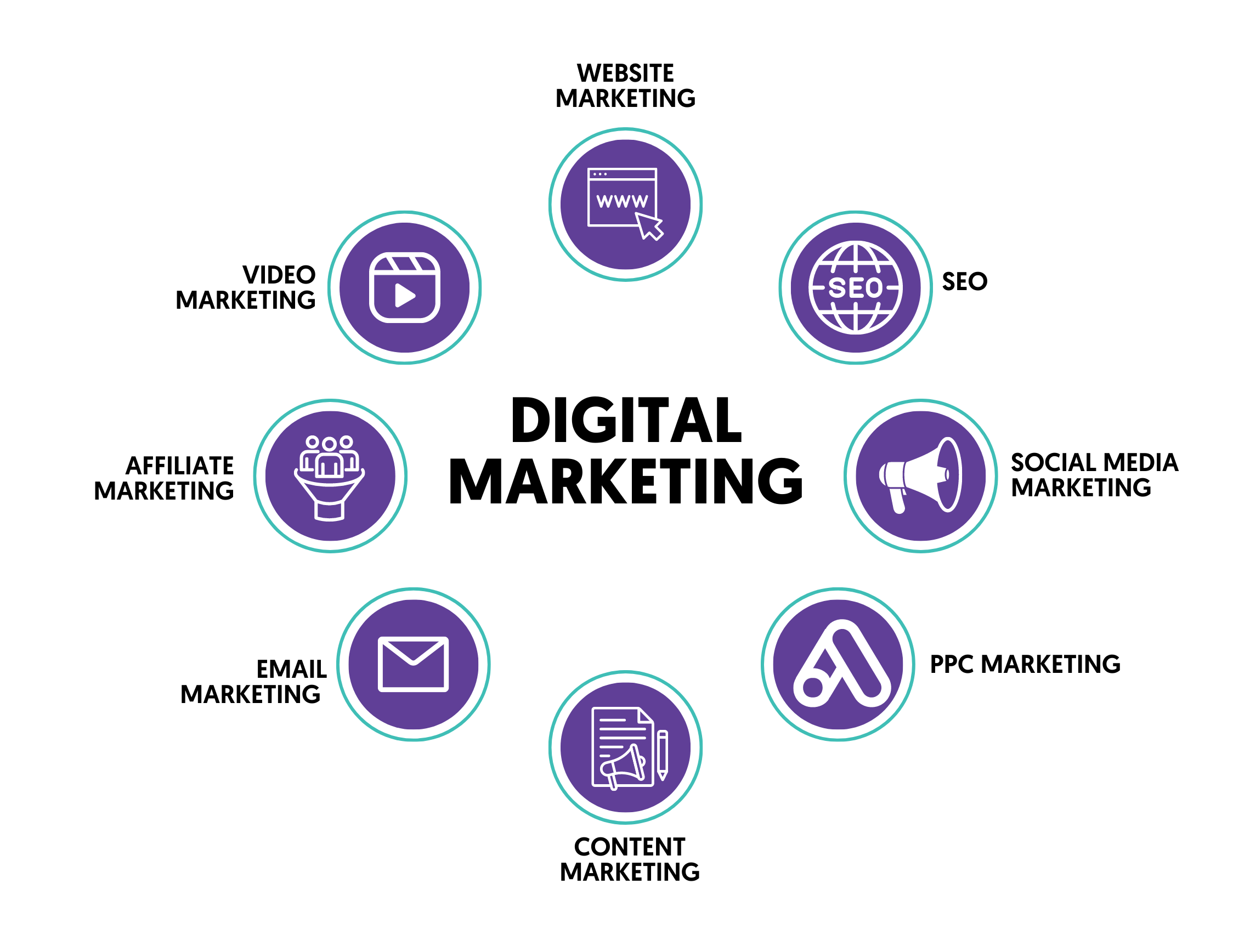
Digital marketing, also called online marketing, is the promotion of brands to connect with potential customers using the internet and other forms of digital communication. This includes not only email, social media, and web-based advertising, but also text and multimedia messages as a marketing channel.
What is SEO
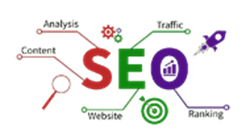
SEO means Search Engine Optimization and is the process used to optimize a website's technical configuration, content relevance and link popularity so its pages can become easily findable, more relevant and popular towards user search queries, and as a consequence, search engines rank them better.
What is SMM
Social media marketing (also known as digital marketing and e-marketing) is the use of social media—the platforms on which users build social networks and share information—to build a company's brand, increase sales, and drive website traffic.

What is onPageSEO
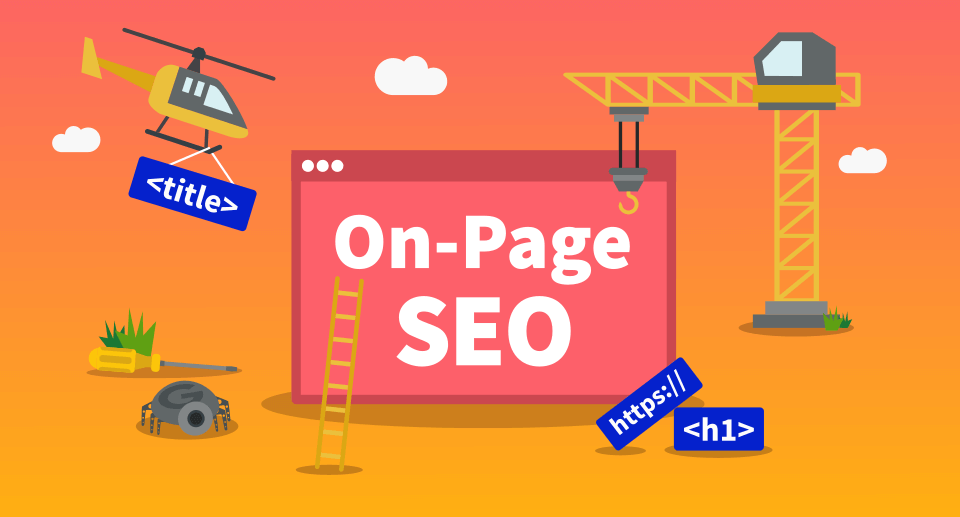
On-page SEO (also known as “on-site SEO”) is the practice of optimizing web page content for search engines and users. Common on-page SEO practices include optimizing title tags, content, internal links and URLs.
What is OffPageSEO
Off-page SEO includes activities done off of a website in an effort to increase the site's search engine rankings. Common off-page SEO actions include building backlinks, encouraging branded searches, and increasing engagement and shares on social media.

What is Keyword research
Keyword research is the process of finding and analyzing search terms that people enter into search engines with the goal of using that data for a specific purpose, often for search engine optimization (SEO) or general marketing.

what is email marketing
Email marketing is a type of direct digital marketing method that uses emails to engage with a business's audiences. It involves sending promotional or informational content. Email marketing is typically used to create product or brand awareness and generate leads or sales.

what is web desiginer
A web designer creates the layout and design of a website. In simple terms, a website designer makes a site look good. They use design programmes to create visual elements and usually have expertise in user interface (UI), which means they strategically design a site that's intuitive and easy for visitors to navigate.

Difference between onpage and offpage seo
On-page SEO focuses on optimizing parts of your website that are within your control, while off-page SEO focuses on increasing the authority of your domain through content creation and earning backlinks from other websites.